How to Color Code Your Flies for Smarter Fly Selection
An organized fly box = more fish caught
Join Our List for More Premium Content
An organized box = more fish caught. Why?
For starters, an organized box leads to better decisions on the river. If you learn to tie good looking flies with recognizable patterns, you can better choose the right flies for any fishing scenario.
Sometimes it’s a matter of knowing which flies’ bodies are wrapped with lead free wire for extra weight. Still, more often than not, it’s tough to remember fly sizes well enough to pinpoint the size 20 that the guy at the fly shop said was working well.
So, try to keep some method to your fly tying madness — learning to color code your flies will ultimately lead to more efficient, more accurate selection when you’re actually out on the water.
Let’s dive in a little deeper:
Fly Properties You Want to Remember
& The key to color coding successfully
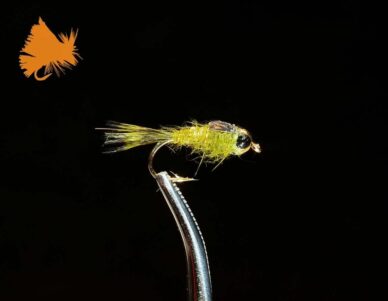
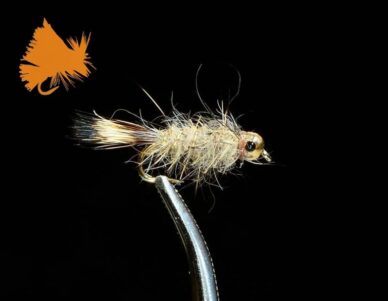
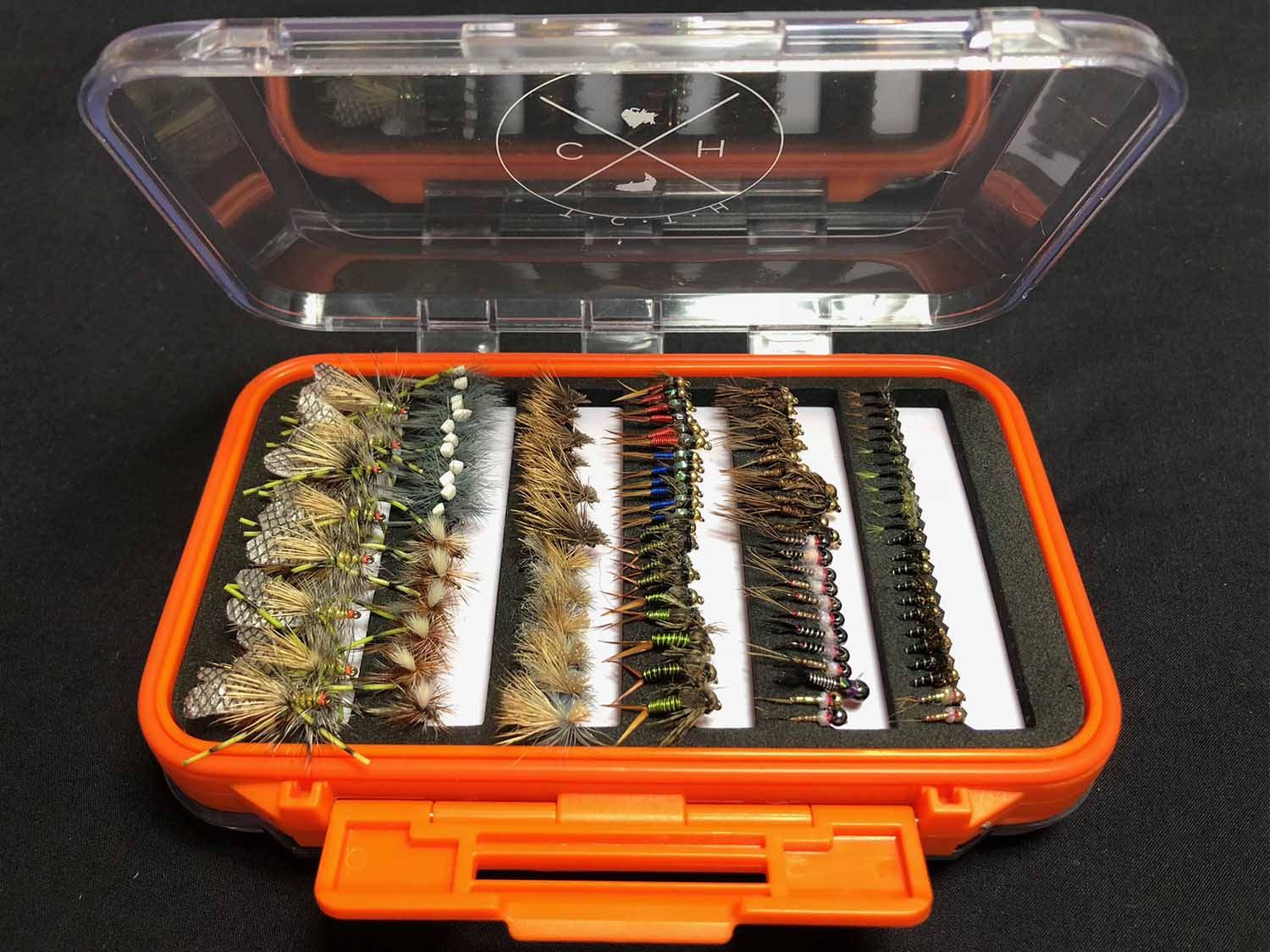
One way to help keep order in your fly box is to color code flies of the same pattern, that also have different properties. For example, you might tie a Beadhead Hare’s Ear Nymph in three different weights, but at a glance they may all look the same. Using an orange hotspot or collar on your heaviest flies, and an olive for the medium weights and a red for the lightest weighted flies will help you easily remember that on patterns that are nearly identical aside from weight, orange > olive > red.
Color coding only helps if there are properties that we can’t readily see on the fly (some examples are listed below) that we need to remember when we are on the water. Here are just a few of the examples per fly type that you’d want to remember but can’t readily see on the fly:
Nymphs
- Overall Weight
- Underbody Wire Wraps
- Beadhead Composition (Tungsten or Brass, etc)
- Material Types (Premium Fly Shop Materials vs Hobby Lobby etc)
- Hook Size
- Hook Type
Dries & Emergers
- Hook Size
- Hook Type
- Material Types/Quality
- Buoyancy Difference
The Key to Color Coding Successfully
When it comes to color coding your flies, it’s essential that you use materials that only change the overall look of the fly slightly. Still, the color needs to be noticeable enough that you can decipher it.
That said, it’s important that you write down your method of color coding and memorize it, so you can remember how you color coded when you’re actually out on the water. Be sure to stick to whatever method you use, because it will get confusing quickly if you’re changing your methods continuously.
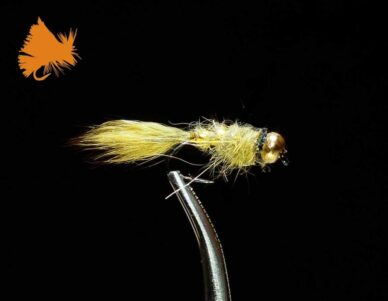
Five Ways to Color Code Your Flies
so you can become a more triumphant angler
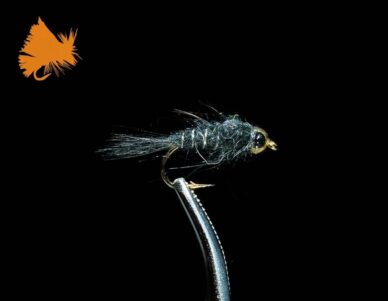
1) By Beadhead
Does beadhead color matter? Does a gold ribbed Hare’s Ear have to be gold beadhead, or can it be silver, or can it even be black nickel or some other color?
The answer to bother questions is a resounding ‘yes.’ Generally, you can tie most patterns with whatever beadhead color you think is best. Of course, that begs the follow-up question — if beadhead color doesn’t matter, is there a better use for it? The answer to that question is also a resounding ‘yes.’ Using beadhead colors to help determine weight or composition of the fly is a great way to maximize the use of the beadhead color.
I — like the rest of the world — have a tough time telling the difference between a tungsten and a beadhead in a similar sized fly when I’m out on the river. Weighing both in my hands usually helps, but after a couple beers and a couple hours in the hot sun, my senses are somewhat dulled. Making everything, well…harder.
So, when you inevitably face a similar situation, make finding your fly of choice easy by picking only certain colors for certain compositions. Tungstens only come in silver, gold, and black nickel in most locations anyway, so I usually make all of my tungsten BH flies black nickel. I don’t buy anything else. That way, I know if I see black nickel, that I’m looking at my tungsten BH. Then, I size my beadheads from left to right in my fly box to keep sizes in perspective. This makes it even easier to select heavy, medium, or light BH flies for the water I’m fishing at any given time.
2) By Hotspot
More often than not, the flies’ thread color doesn’t matter — it’s typically covered with other materials.
However, there are certain patterns where thread colors matter a lot — for instance, a zebra midge, in which case the tread acts as the primary color. In both cases, however, you can end your tie by whip finishing the head of the fly with a specific shade. With flies that need less bling and a little more camelflage, you could utilize black, or neutral colors as the whip finish thread.
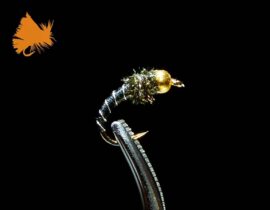
In my own experience I’ve had a lot of success using red as a hotspot color. Simply because it’s easily recognizable. I typically use a shade of red to designate when my fly has underbody wire wraps, and is exceptionally heavy. That said, I know other use black as the head on their dry flies that are of certain sizes. A little whip finish doesn’t seem to spook fish even on the toughest of tailwaters, and can help anglers match the hatch and know their sizes better with dry flies. Or, weight with nymphs.
3) By Hook Color
Most hooks are made in bronze, stainless steel, and black nickel finishes. So, when you’re tying your flies, you can utilize hook colors to help you recall hook size, weight of flies, beadhead size, or composition. This method is a pretty solid one, especially if the above choices aren’t your cup of tea.
4) By Parachute Color
Parachute color is another great way to help you recall properties on dry flies. Dry flies don’t always have the luxury of easily recognizable beadheads or hook spots, so keeping with certain parachute colors for certain hook types, materials, or fly sizes can help you remember what you initially tied and for what purpose.
5) By Markers
That’s right — good old markers. You can use permanent markers of any kind to mark up your flies so you can remember their properties. This works really well for delicate dry flies. Simply because, more often than not, you don’t have the ability to code by other means like parachute color or hook color. Using a small dot or two on the top of the dry fly — head or wings — works great. The fish won’t ever see it AND you can pick it easily from your box + fish with confidence.
Some anglers really feel that beadhead color matters, or that certain parachute colors can spook fish. And that’s absolutely fine, stick with what you like and organize by hook color or any of the other five ways I mention above. All work for their own application, and it’s a matter of preference and balancing out what you can and can’t change on a pattern. Sure, this may seem like splitting hairs to a few of you, but trust me, it can make a huge difference in your ability to select the right fly on the water. So do yourself a favor, and take the guesswork out of it! Give color coding your fly box a try, and in turn, you’ll have the ability to choose flies with confidence AND catch more fish. It’s that simple.
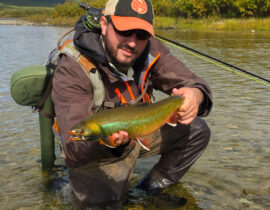
Passion that isn’t shared with others is wasted. That’s why I teach every one of the 500,000 people who come to this site every year about how to become a better lifestyle angler based on my 20 yrs experience fishing. When I’m not on the river, I’m a husband, father of three, entrepreneuring, keto-loving, deep-thinking, God-fearing man who’s just trying his hardest to love others and serve them the way I’m called to. I love a good laugh and not afraid to waddle down the bank of a river in a water master to get to the good fishing…
Learn the Right Flies to Put
In Your Fly Box For Any Occassion
Lifetime Access: $99.99 (+ Coupons)
Before | After
Slide the Bar to View Before & After
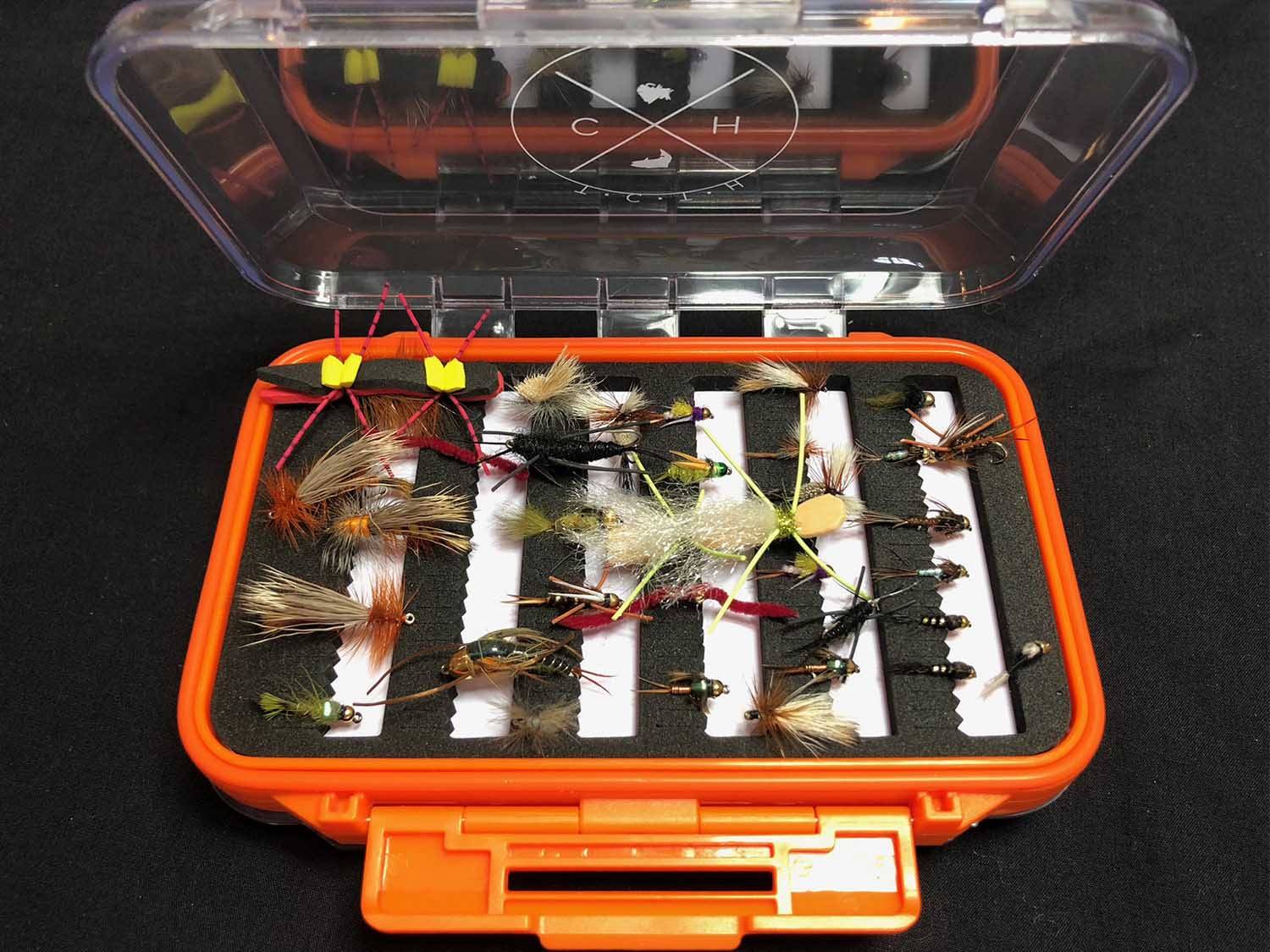
Fully Online | Self Paced | Lifetime Access
140+ Pages | Pics | Diagrams | and More
Craft Your Fly Box Course
All your fly selection skills are worthless if you don’t have the right flies in your box when it counts. Learn the fly by fly, perfect boxes to have for any occasion on the water.
WHAT YOU’LL LEARN:
140+ Pages with detailed lessons to teach you what flies you should have in your box and what insects they imitate.
- Get fly by fly Steps to create the top fly boxes for every occasion
- Master the strategic approach experts use to create the perfect box
- Learn about insect life cycles, seasonality, and planning for different bodies of water
- Learn the names of the most popular flies and the insects they imitate.
YOU’LL ALSO GET THESE FREEBIES:
- Two, 50% off coupons for any flies or assortments on our site ($100+ Value)
- Unlimited 50% Off Coupons for Catch n’ Hatch Fly Boxes ($10 + Value)
- An Downloadable PDF for offline Viewing
- Downloadable spreadsheet of my fly boxes, fly by fly & a template to create your own boxes
- Lifetime access to the course including future updates
- One, 50% Off Coupon for Any of Our Other Courses ($100+ Value)
